
Picture a morning at the museum: your child stops, you stop too, and suddenly you’ve got something to look at together. Start with a simple plan at the door, leave room for that pause, and have crayons waiting when you get home.
Three moments, one outing
Before
You tell them where you're going and how the morning ends.
During
You stand together at one thing they've picked out.
After
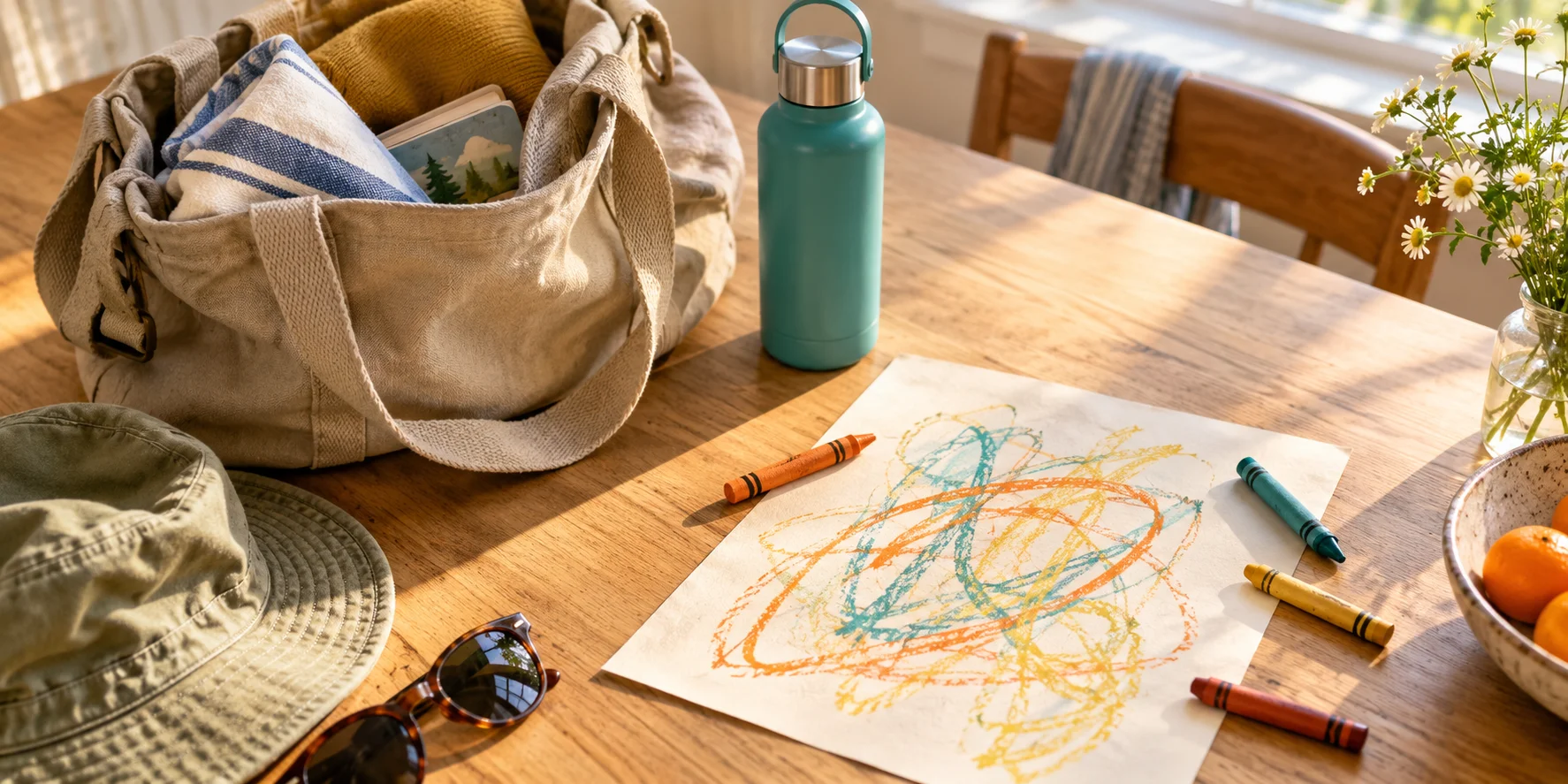
Paper and crayons on the table when you're back.
Change any of it as you go.
Say it at the door
Give them the shape of the morning before you leave. You’re going to the museum, and when you’ve had enough you’ll get a drink and head home.
It’s information rather than homework. There’s nothing they need to find, remember or tell you about later.
Food and drink aren’t allowed inside the galleries at The Mind Museum, so the drink happens outside them anyway. Making that the point where you head home is your call, and you’d set it to fit the slot you’ve booked.
Find your one thing
For a morning at The Mind Museum in Taguig, let your child’s interest lead you to your stopping point.
Stand with them where you can both see it and you’re not in anyone’s way. Check what the instructions at that exhibit say and go by those. Then look at it together for as long as they’re interested, and say what you notice or say nothing at all.
If they move on, go with them and look at the next one instead. What your child needs and what the exhibit asks come before anything agreed at the door.
If your child is 3 to 10, look at the morning science session from 09:00 to 12:00. Dates and booking conditions change, so check the museum’s current visitor information before you pick a date.
Paper on the table
Back home, leave paper and crayons within reach. What turns up is up to them: something from the morning, something with nothing to do with it, or nothing at all.
For a fuller drawing activity with your 3 to 6 year old, try Draw It, Then Say It. Allow 15 to 30 minutes, and let your child choose what to draw. You don’t correct the colours or the shapes, and you listen if they want to tell you about it.
At home you can borrow that idea without following the whole thing, and the drawing doesn’t have to be about the visit.
If they bring it over, look at it with them. If they want to talk about it, listen. Keeping it or throwing it away is theirs to decide.